


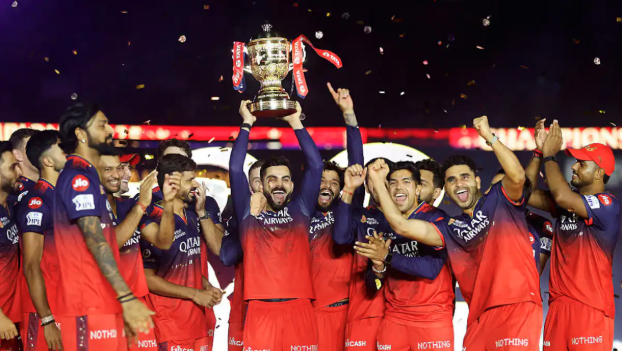
Winning the Indian Premier League has never been about luck. It is a result of months of preparation, years of planning and a clear understanding of what makes a team successful in the shortest and most unpredictable format. As the IPL completed another dramatic season in 2025, the title run of Royal Challengers Bengaluru reminded everyone that champions are built through strategy, not stardom.
This is a detailed exploration of how IPL winners create championship teams, what common patterns link them together and how the future of team building is changing in the league.
What Makes an IPL Champion?
Every IPL winning team, from Chennai Super Kings and Mumbai Indians to Gujarat Titans and now RCB, shares a set of principles that go beyond talent. These principles become the foundation on which championship runs are built.
The core elements usually include:
- A strong domestic core
- Clear leadership and role clarity
- Smart auction decisions that fit a larger plan
- Proper use of analytics and matchup data
- A stable, positive team environment
- Consistent development of young Indian players
These elements look simple on paper, but they require patience and discipline to implement season after season.
The Strength of a Domestic Core:
A strong Indian core has always been the backbone of the most successful IPL teams. Foreign players often deliver impactful moments, but Indian players hold a team together across an entire season. This is why CSK, MI and even the recently successful Gujarat Titans invested heavily in domestic talent.
A stable Indian group gives a franchise:
- Reliability across different conditions
- Tactical flexibility
- Consistency despite overseas player rotations
The 2025 season once again proved that teams with dependable Indian performers reach the playoffs more regularly, and the eventual champions always have a local core that does not crumble under pressure.
Leadership and Captaincy: The Heart of a Winner
T20 cricket demands quick thinking, clarity, and calmness. Champions rise because their leaders know how to manage pressure and read the game minute by minute.
Great IPL captains share a few common traits:
- They understand match situations deeply.
- They trust their players and avoid unnecessary interference.
- They stay composed when the game becomes chaotic.
- They unite different personalities in the dressing room.
The 2025 title run for RCB was a result of leadership that stayed patient and focused even when early results were mixed. The environment allowed players to express themselves without fear, and that belief became visible during the playoffs.
Auction Strategy: How Champions Spend the Purse
The auction is where winning teams do their best work. Smart franchises focus on squad balance and long term structure instead of chasing the biggest names available.
| Approach | Explanation | Why It Works |
| Core First | Retain and protect long term players | Creates stability and identity |
| Value Buying | Look for players priced below market potential | Increases bench strength without overspending |
| Role Based Recruitment | Each player is chosen for a specific task | Avoids overlap; improves match planning |
| Balanced Spending | Avoid placing most of the purse on one or two stars | Depth becomes more important during long seasons |
In 2025, most franchises followed a planned approach rather than emotional bidding. Teams that stuck to structure rather than trends ended up with more balanced squads, and the results showed through the season.
The Rise of Data and MatchUp Analysis:
In the modern IPL, data is no longer optional. Teams now track ball by ball patterns, bowler strengths, pitch behavior, strike rate trends, boundary percentages and more. Analytics support decisions such as:
- Which bowler should operate during a certain phase
- Which batter should be promoted depending on the opposition
- Whether a venue favors spinners, top order anchors or power hitters
- Which domestic players offer the best long term value
Gujarat Titans popularized analytical decision making in their debut seasons, and by 2025 almost every franchise had a dedicated data team influencing strategy meetings.
Coaching Staff and Culture Building:
A coach does more than run practice sessions. They set the tone for the entire dressing room. The most successful teams in IPL history have had long standing coaching groups with clear philosophies.
Strong coaching cultures share a few qualities:
- Stability across seasons
- Honest communication with players
- Clarity in roles and expectations
- A supportive environment for youngsters
This is why teams like CSK and MI continue to perform well even after major squad changes. The culture ensures that players know exactly what the franchise expects from them.
Turning Youngsters Into Match Winners:
The IPL has always been a platform for young Indian players, but championship teams take this a step further. They identify raw talent early and invest in their growth. Instead of pushing young players into pressure situations too soon, they prepare them gradually and give them confidence.
Successful development strategies include:
- Clear role assignment from the start
- Mentorship from senior players
- Regular game time even during inconsistent phases
- A long term vision for each player
Teams that manage this well end up with homegrown stars who stay with the franchise for many years. This not only strengthens the team but builds fan loyalty and consistency.
Team Chemistry and Mental Resilience:
A T20 season can be mentally exhausting. Champions often share one trait that cannot be measured easily: strong chemistry. The best dressing rooms create a sense of belonging and freedom. This improves decisionmaking under pressure and keeps players relaxed in high stress games.
Mental resilience becomes essential during:
- Close run chases
- Last over finishes
- Playoff pressure
- Comebacks after early losses
Many talented teams have failed because their dressing room atmosphere lacked stability. Conversely, many underdogs have gone deep into the tournament simply because their unity carried them further than expected.
Adaptability: Winning Even When the Season Gets Tough
Every IPL champion faces setbacks. Injuries, sudden dips in form, unexpected tactical challenges and schedule pressures all test a team. The difference is how quickly a champion adjusts.
Adaptable teams tend to:
- Change batting orders depending on conditions
- Use backup players with full trust
- Switch bowling plans midmatch
- Recognize when a strategy is failing and move on immediately
RCB in 2025 showed this clearly. Their ability to adjust combinations, use matchups wisely and stay mentally present allowed them to navigate uncertain moments throughout the season.
Case Studies: How Champions Built Their Winning Formulas
Chennai Super Kings
Built on stability, clarity and trust. CSK believed in long term retention, familiar roles and a calm leadership group. Their environment allowed players to flourish without fear.
Mumbai Indians
Focused on creating India’s strongest talent pipeline. They scouted and backed youngsters early, then complemented them with a balanced set of overseas players. Their auction strategy was methodical and disciplined.
Kolkata Knight Riders
Known for tactical matchups and aggressive decision making. They leaned heavily on all rounders and used their bowling strengths as a foundation for success.
Gujarat Titans
Arrived with a modern template. Extensive use of analytics, flexible batting roles and a group of bowlers suited for different phases of the game.
Royal Challengers Bengaluru, 2025 Champions
Their first title came through patience and structural planning. They rebuilt their squad around clarity of roles, added specialists for middle overs and death overs, and leaned on experience during key matches. The result was a historic and emotional win after nearly two decades of waiting.
Common Mistakes That Winners Avoid:
It is often easier to understand a champion by studying what they avoid:
- Overspending on one superstar
- Constantly changing captains and coaches
- Drafting too many players with similar skill sets
- Ignoring bench strength
- Building teams without a long term plan
Many franchises fall into these traps, while champions steer clear of them with disciplined planning.
The Future of Team Building in the IPL:
Looking ahead, IPL teams will increasingly rely on a combination of analytics, youth development and balanced recruitment. Some important trends are already visible:
- Greater value placed on Indian all rounders
- More scientific planning around venues and matchups
- Bigger roles for data specialists and performance analysts
- Long term retention of coaching staff
- Clearer franchise identities
The modern IPL champion will not be the team with the most superstars but the team with the clearest plan.
Conclusion:
Championship IPL teams are never built overnight. They are built through careful planning, patient development, good leadership and a deep understanding of T20 cricket. The 2025 season offered another lesson in this truth. RCB’s long awaited triumph was not a result of one great over or one iconic innings. It was the result of seasons of effort, better decision making, strong team culture and belief.
In the IPL, success belongs not to the loudest team or the most expensive team, but to the team that understands itself best. Champions are not created on finals day. They are created through decisions made long before the season begins.